Last Updated on 15 octubre, 2024 by admin
La plancha es una de las hazañas físicas más impresionantes que se pueden hacer.
En este ejercicio que desafía la gravedad, se comienza en una posición de flexión, se inclina ligeramente hacia adelante y luego levanta los pies hacia el aire para que el cuerpo quede paralelo al suelo.
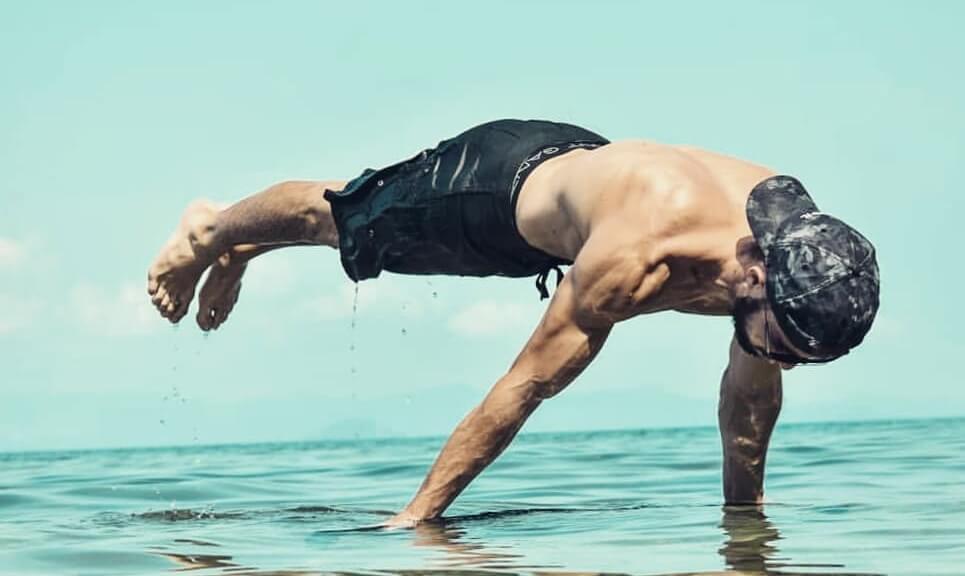
Se necesita una enorme cantidad de fuerza para mantener el cuerpo en esta posición, y esto se hace comenzando con ejercicios más fáciles y aumentando gradualmente la resistencia.
Con dedicación, podría hacer una plancha completa en un año.
Flexión de Tablón
El primer ejercicio para comenzar es el tablón estándar desde una posición de flexión, es decir, la parte superior de una flexión.
Debería poder mantener esta posición con su cuerpo perfectamente derecho durante 60 segundos antes de continuar.
Plancha de Inclinación
Póngase en la posición de flexión pero con los pies levantados sobre un banco o una silla.
Lentamente inclínese hacia adelante, y mantenga esta posición todo el tiempo que pueda. Cuando pueda mantener esta posición durante 60 segundos, continúe.
Postura de Rana
Coloque las manos en el suelo, doble los brazos para que su brazo esté más o menos paralelo al suelo y luego balancee las rodillas sobre los codos.
Pongase como objetivo un conjunto de 60 segundos.
Esto puede tomar de 2 a 3 meses, pero es importante darle tiempo a las muñecas para que se fortalezcan antes de aumentar el apalancamiento.
Plancha de Pliegue
Ahora, en lugar de equilibrarse sobre los codos, meta las rodillas en el pecho.
Sus hombros y brazos ahora soportan todo su peso, y también desarrollará fuerza en los flexores de la cadera, ya que mantienen las piernas en su lugar.
Plancha de Pliegue Plano
Haga la plancha de pliegue como es normal, y luego enderece la espalda.
Esto puede ser solo una pequeña diferencia, pero aumenta la dificultad significativamente.
Ahora está empezando a fortalecer la parte inferior de la espalda, que eventualmente mantendrá sus piernas extendidas.
Plancha de Pliegue Medio
Desde la posición de pliegue plano, quite las piernas para que sus muslos estén más o menos perpendiculares al suelo.
A medida que avanza, también puede liberar la parte inferior de las piernas para que su espinilla quede paralela al suelo.
Esto aleja una mayor parte de su masa corporal de sus manos, aumentando el apalancamiento y la dificultad.
Plancha a Horcajadas
Desde la posición de pliegue medio, levante las caderas e inclínese ligeramente hacia adelante a medida que se endereza y extiende las piernas.
A medida que su fuerza aumenta, trate de bajar las caderas y extender las piernas tanto como sea posible, idealmente para que su cuerpo esté paralelo al suelo.
La Plancha
¡Ahora finalmente estás listo para intentar la plancha completa! Comienza desde la posición de plancha a horcajadas y simplemente junta las piernas mientras intentas enderezar tu cuerpo.
Plan de Entrenamiento de las Flexiones de Plancha
A menos que se indique lo contrario, establece como objetivo cinco series de 20 segundos en cada ejercicio antes de continuar.
Puedes practicar esto dos o tres veces por semana, pero escucha a tu cuerpo y detente si sientes dolor en las articulaciones.
No te desanimes si no parece que estás progresando; simplemente sigue el programa con constancia y ¡seguramente tendrás éxito!
Deja una respuesta